How to Show What Makes Your Offer Different

This post is part of the RAINBOW Method, developed by Ingrid Urena. It goes deeper on Irreplaceable value, the third of the seven stages.
When I run a page through the RAINBOW Method, Irreplaceable value is the stage that asks the hardest question: is it clear why your offer, and not the other options your buyer is comparing?
A page can describe the offer beautifully… and never say why it’s the one. Or it says it with words every competitor also says. Strategic. Bespoke. Holistic. Premium. They’re FREE to say… which is why they convince nobody.
How do you show why your offer is the better choice?
To show why your offer is the one a buyer picks one of the best things you can do is name the real alternatives they’re weighing, including doing it themselves and doing nothing. Say where your offer fits and who each of the others is honestly better for, then back the difference with something countable instead of an adjective. That is the Irreplaceable value stage of the RAINBOW Method.
Notice that none of that is a tagline. A tagline is the sentence (and if you need the sentence first, how to write a USP that actually attracts the right clients is the post for it). Irreplaceable value is the page doing the showing, in the right place, with proof the reader can check.
Name the real alternatives, including doing nothing!
List what your buyer is actually choosing between: Figure it out themselves, hire someone else, use a template, do nothing for another quarter (yes, doing nothing counts as an option!). Then say where your offer fits and who each of the others is honestly better for.
I know, it feels backwards to say who someone else is better for… but naming another option’s strength buys you waaay more trust than another paragraph about your own!
A page that only talks about itself leaves the comparing to the reader, and they will do it anyway… in ANOTHER tab. These days the list can include a search, a video and an AI tool, so a real story and a real system are what your page has that those don’t.
Swap the adjectives for something “countable”
Take every adjective on your page and ask what it would look like as something somebody could check. “Strategic” becomes what you do before anything gets designed. “Bespoke” becomes what’s built from scratch… and what isn’t. “Premium” becomes what’s included.
Here’s the one on my own services page: brand strategy, website design and copy, one brain behind all three. That is three jobs, one person… and no handoff between people who have never spoken to each other. You can check it by asking who you’d be emailing!
Name your method and explain what’s inside it
A named method turns “she seems good” into “she has a system.” Give your process a name and three to five named steps, then make sure the page explains what happens inside each one, not just in your head! It’s also the thing people repeat when they recommend you to somebody else!
That’s the whole reason RAINBOW has seven named stages and seven questions instead of being “a framework” (a word that, by itself, tells you NOTHING). Each stage is explained, and each one asks something a buyer can easily answer as we go through the checkpoints.
What it looks like for a service provider and for a product
For a service provider
The difference is usually the person and the process: who you’d actually be working with, and what happens between “yes” and “done.” For me, it’s the “no disconnect” part: strategy, brand, website and copy from one brain, so nothing gets lost between a designer and a copywriter who’ve never talked.
There are two ways in: Lead with the story when the reader needs to trust you as a person (high-emotion work, personal transformations, coaching). Lead with the system when the real doubt is “is this just generic advice?” The strongest version usually weaves both: the story earns the trust, and the system proves the result isn’t something the reader could piece together alone.
For a product
The difference lives in what it does that the lookalikes don’t. When I wrote about how to choose a conversion-focused sales page template, the line was this: a template can look amazing and still have no sections or prompts for YOUR offer, only the example offer that came with it. So “built with places to put your offer” beats “pretty” every single time!
So, does your page do it?
- Are the real alternatives named, including doing nothing?
- Is every difference something a buyer could check, instead of an adjective?
- Is your method named, with the steps explained?
Those are the three checkpoints I score for this stage in the sales page version of the RAINBOW review (26 checkpoints across the seven stages). Each one gets Missing, Needs Improvement or All good. If you answered “not really” to any of them, that’s the stage to fix first!
A few quick answers
A USP is the sentence that says who you help and what makes your approach different. Irreplaceable value is the page showing it: the alternatives named, the differences made checkable, and the method explained, in the place a buyer is deciding.
Third, in the order your buyer meets things. The page walks them from the problem they came in with to the thing you sell, and then it answers why yours and not the others, before the proof.
No. The alternatives can be the types of option your buyer is weighing: doing it themselves, hiring someone else, using a template, or doing nothing. If you do want to name one, naming its strength is what buys the trust.
If you’d like a second set of eyes on whether your page does this, my CRO Audit runs one page through all seven stages (this one included) and hands you a prioritized plan with the why behind every change, from $497 a page. If you’d rather start on your own, the free Website Optimization Checklist is a good first pass.
filed under:

I'm Ingrid, welcome! I'm a branding designer + Showit Design Partner, doggy mamma, and tea drinker.
get to know me »



P.S. Found value in this post? You can always drop a little something in the treat jar — this goes toward treats for my pup (yes, Yui loves it) and fueling more great content! 💜
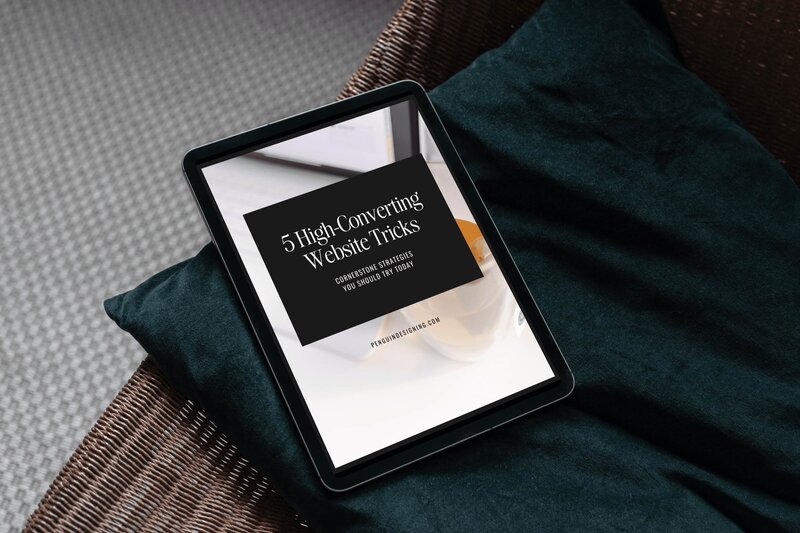
Ready to turn your website into a powerhouse lead generator even on a saturated market?
My free guide, "5 High Converting Website Tricks", gives you key strategies to create a website that showcases your brand, attracts your ideal clients, and is ready to convert them into paying customers.
Download now for free!
Featured Case Studies
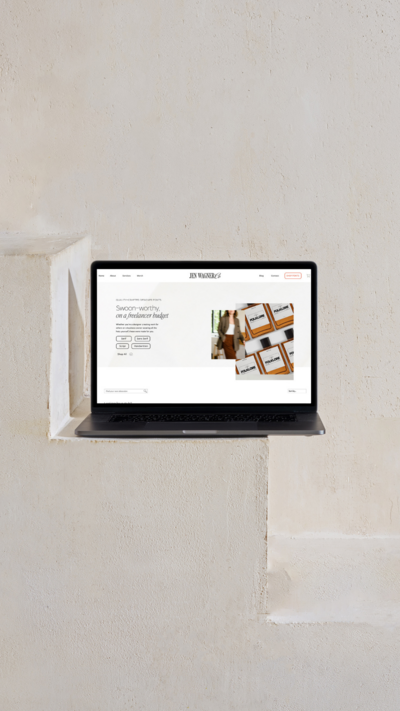
Jen Wagner Co
Shopify to showit with Woocommerce shop Migration
TIQUE
Custom Brand + Showit Website + Shop

Blanc Salváge
Brand Strategy + showit Shop Design + Copywriting
Revitalized Health & Wellness Counseling
Custom Brand + Website

Wordfetti + Wordshop
showit Website + shop Design & Development

Editorial Stock Images
showit shop + Multi-level Membership


Amy Posner
Brand Strategy + Custom Brand + Showit Website

Our clients lead their industry.

Hi I’m Ingrid
I design strategy-led brands and Showit websites that confidently represent you.
I’m a designer with a magic touch for monetizing websites. I’m also a tea-lover, dog momma, Ravenclaw, INFP and 2w3 (for all you personality-test nerds like me).
I’ve also been called a Showit website expert (been with them since 2013), and a sucker for understanding customer journeys, brand psychology, and consumer and sales psychology. My clients have some pretty cool results after working together, things like doubled shop conversions, booked-out services in weeks, and increased monthly revenue, among other cheer-worthy celebrations.