What to actually check before you hire someone to fix your website

If you’ve got a redesign quote sitting in your inbox right now (or three of them, because you’re doing your due diligence, and smart move), let me slow you down for just a second before you sign anything.
Most people hiring someone to fix their website are choosing on gut feeling: a nice portfolio, a friendly discovery call, a price that felt fair.
And that makes total sense, you’re not supposed to already know how to vet a strategist. But here’s a number that should give you pause: SoftwareReviews, a division of Info-Tech Research Group, found that 80% of website redesigns fail to reach their full potential, mostly because of a disconnect between what the business actually needed and what got built.
Eight out of ten. That’s not a typo, and it’s not because the designers involved couldn’t design 😬.
So before you hand someone your brand, your budget, and the next few months of your business, let’s talk about what actually separates a legit hire from an expensive redo.
The red flags you should be looking out for (before signing anything)
The good news? Most of this is visible early! If you know where to look.
Nobody’s asked about YOUR business yet.
If a proposal shows up before anyone’s asked what the redesign is actually for (more leads? fewer support emails? a shop that finally converts?), that’s a quote for a pretty new look, not a fix! Pretty is a bonus (it’s never the job!).
The portfolio is their whole pitch.
Beautiful past work tells you someone can design (and they should!). But It tells you nothing about whether they think in outcomes, and those are two VERY different skills that don’t always live in the same person.
There’s pressure to decide fast on the call.
A real strategist wants you thinking clearly, not rushed. Urgency with no reason attached (a launch date, a technical deadline) is usually about closing the deal, not serving the project.
Every question gets an “it depends” with no follow-up.
“It depends” is often the honest answer (scope really does change the price!!), but it should come with “here’s what it depends on,” not a shrug.
One client of mine, Nikki, had already been burned more than once (a previous designer, then a platform crash on top of it) before she found me. She’s told me since that she knew within the first five minutes this one was different, mostly because I was asking her questions nobody else had bothered to ask. See? That’s usually the tell: not confidence, curiosity!
The questions that actually tell you who you’re hiring
A few minutes of the right questions will tell you more than an hour of portfolio-scrolling.
“What’s the business goal behind this redesign?”
If they can’t restate it back to you in their own words by the end of the call, they weren’t listening for it.
“Walk me through your process before design starts.”
You want to hear strategy, sitemap, and content structure before visuals. If the answer jumps straight to “we’ll send you some homepage concepts,” well… that’s your answer.
“What happens if this doesn’t convert the way we hope?”
Good vetting isn’t about guarantees (nobody can promise you a number, run away if they do!), it’s about whether they’ve got a plan for finding out why, and adjusting.
“Who am I actually working with, day to day?”
Some agencies hand your project off to whoever’s free that week (and you’d never know). Ask directly!
“Can I see an example where the strategy actually changed the design?”
Not just a pretty final product, the reasoning behind a real decision.
Before you go further into vetting mode, this is a good moment to pause: I put together a Website Optimization Checklist, a free self-assessment you can run on your current site no matter what platform you’re on. It’s a genuinely useful gut-check before you even start collecting quotes, because it’ll show you what you already suspect is broken versus what’s actually fine.
How to tell a real strategy fix from a fresh coat of paint
Here’s where it gets tricky, because a fresh coat of paint can look reeeeeally convincing.
A real fix starts with a question a “paint job” never asks: why isn’t this converting right now? Not “how do we make it prettier,” but “what’s actually happening between someone landing on this page and someone leaving without buying, booking, or signing up?”
A prettier homepage won’t answer that, but a clearer sitemap, and a stronger sense of what each page is actually supposed to do, usually will!
This is the same lens I use in my own RAINBOW method audits, page by page: is this page’s job clear, and is everything on it working toward that job, or just decorating around it? When a redesign proposal can’t tell you what job each page is meant to do, it’s usually because nobody’s asked yet.
(And yes, even if you’re not planning a full platform move, this still applies, but if you are moving platforms? It applies even more. New platform, same unanswered strategy questions, is just an expensive way to end up right back here in eighteen months.)
If you want the fuller version of what this looks like when SEO gets tangled up in a redesign specifically, I’ve written about that separately: Protect your SEO when redesigning your site.
What a legit process actually looks like, start to finish
A process built around strategy (not just deliverables) tends to follow a shape like this:
Discovery first. Real questions about your audience, your goals, and what’s not working, before anyone opens a design file.
Structure before visuals. A sitemap and a page-by-page breakdown (what goes where, what each page needs to accomplish) gets locked in before design starts.
Content and copy come before the pretty part. Messaging that’s actually strong enough to hold up the design, not filler text swapped out later.
A defined revision process, not an open-ended “just keep sending notes.” You should know upfront how feedback rounds work.
A plan for after launch. What happens once it’s live, how you’ll know if it’s working, and who you can go back to if it isn’t.
If a proposal skips straight from “here’s our timeline” to “here’s your pricing” with nothing about your audience or your goals in between? Well… you’ve found your answer 🙃.
Quick answers: hiring a web designer
Look for someone who asks about your business goals before talking design, who can explain their process (not just show you finished work), and who’s specific about who you’ll actually be working with day to day.
Start with what the redesign is actually meant to accomplish, what their process looks like before design begins, and what happens if the result doesn’t convert the way you hoped. The full list is up above.
It varies enormously by scope, a one-page site and a full custom brand-and-website build just aren’t the same investment, and anyone who quotes you a firm number before understanding your goals is guessing. Ask what’s included and why, not just what the number is.
An audit reviews what you already have and tells you specifically what’s not working, and why. A redesign rebuilds it! Sometimes an audit is more than enough, and a legit strategist will tell you that instead of upselling you into a rebuild you don’t need.
The takeaway
Strategy first, design second isn’t just something I say about my own process, it’s the actual filter to run anyone else through too! A website is your online home, and you wouldn’t hand the blueprint to someone who never asked how you actually live in the space.
A few things to carry with you into your next vetting call:
🟣 Ask about your business before you ask about their portfolio.
🟣 Structure and strategy come before anything visual, always.
🟣 “It depends” is fine. “It depends, and here’s on what” is the version you actually want.
🟣 Curiosity from them is a better sign than confidence.
If you want to run your own site through a gut-check first, grab the Website Optimization Checklist (free!) and see what it turns up.
And if you’re past the DIY-checklist stage and you want an actual second set of eyes before you commit to anyone (including me, honestly, ask me the hard questions too 😅), a Strategy Session Call ($375) is a focused 60 minutes to get unstuck on exactly this kind of decision, no full project commitment required.
Cheers to hiring well the first time. 💜
filed under:

I'm Ingrid, welcome! I'm a branding designer + Showit Design Partner, doggy mamma, and tea drinker.
get to know me »



P.S. Found value in this post? You can always drop a little something in the treat jar — this goes toward treats for my pup (yes, Yui loves it) and fueling more great content! 💜
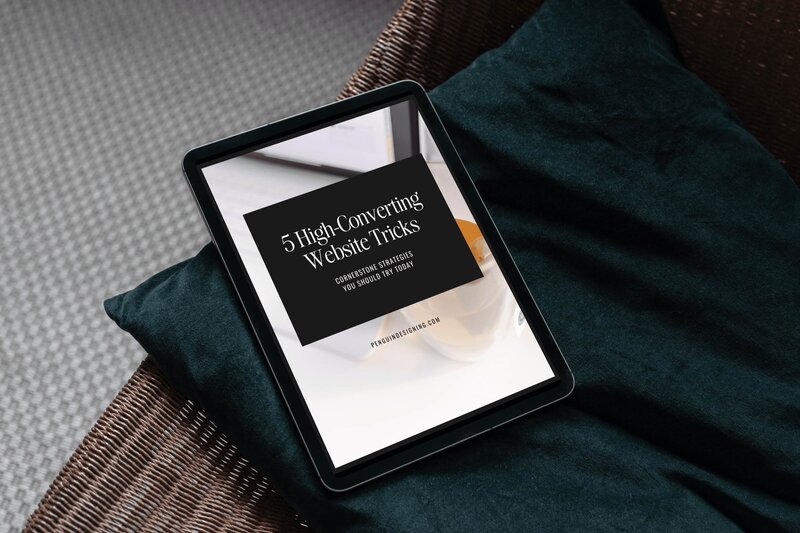
Ready to turn your website into a powerhouse lead generator even on a saturated market?
My free guide, "5 High Converting Website Tricks", gives you key strategies to create a website that showcases your brand, attracts your ideal clients, and is ready to convert them into paying customers.
Download now for free!
Featured Case Studies
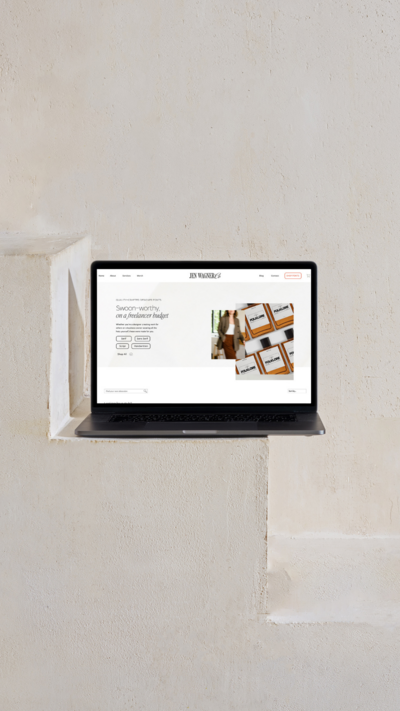
Jen Wagner Co
Shopify to showit with Woocommerce shop Migration
TIQUE
Custom Brand + Showit Website + Shop

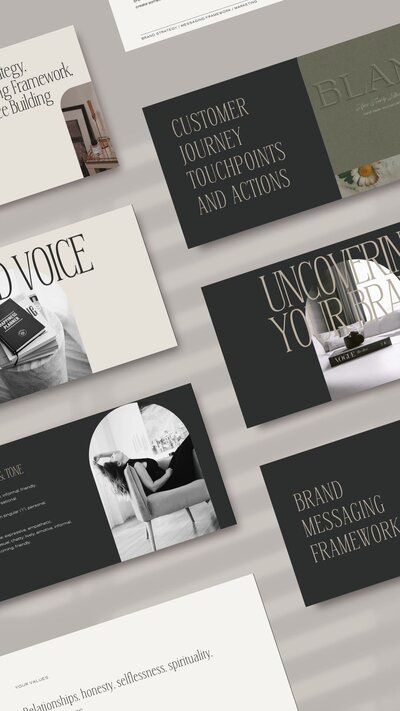
Blanc Salváge
Brand Strategy + showit Shop Design + Copywriting
Revitalized Health & Wellness Counseling
Custom Brand + Website

Wordfetti + Wordshop
showit Website + shop Design & Development

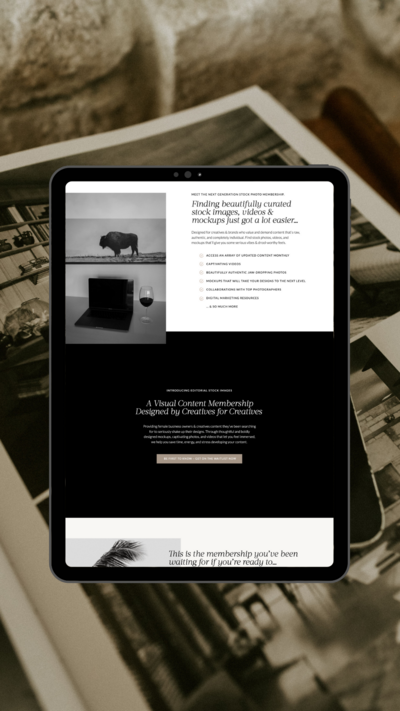
Editorial Stock Images
showit shop + Multi-level Membership


Amy Posner
Brand Strategy + Custom Brand + Showit Website

Our clients lead their industry.

Hi I’m Ingrid
I design strategy-led brands and Showit websites that confidently represent you.
I’m a designer with a magic touch for monetizing websites. I’m also a tea-lover, dog momma, Ravenclaw, INFP and 2w3 (for all you personality-test nerds like me).
I’ve also been called a Showit website expert (been with them since 2013), and a sucker for understanding customer journeys, brand psychology, and consumer and sales psychology. My clients have some pretty cool results after working together, things like doubled shop conversions, booked-out services in weeks, and increased monthly revenue, among other cheer-worthy celebrations.